Demystifying the YouTube Recommendation Engine
There is no secret formula hidden in YouTube's headquarters, but there is a mathematical logic to how videos get recommended. YouTube's AI doesn't judge your video based on editing style or camera quality; it judges it based on human behavioral signals.
In this guide, we break down how the algorithm tests your content and how you can optimize every video for maximum reach.
Phase 1: The Initial Testing Bucket
When you publish a video, YouTube doesn't push it to millions immediately. Instead, it tests it with a small cohort of viewers (your subscribers and users who watch similar topics).
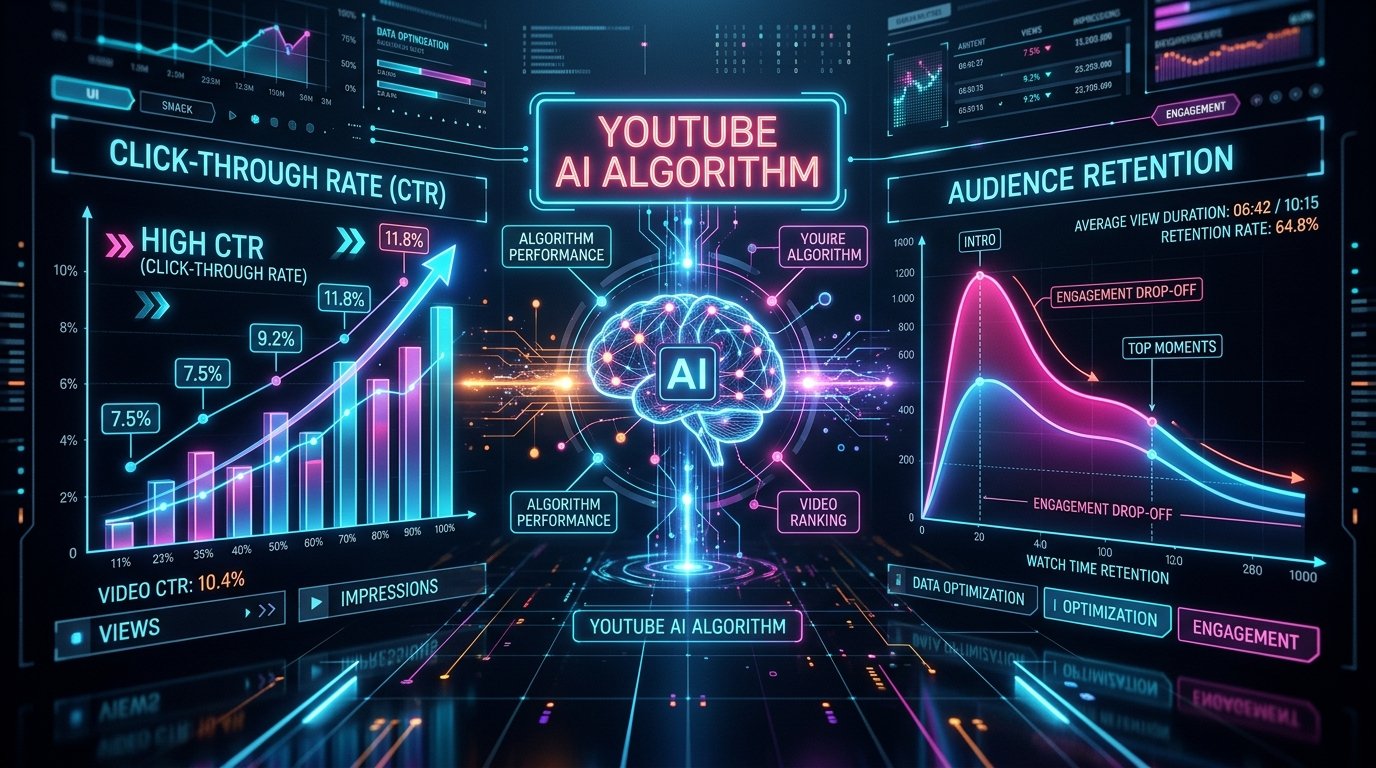
During this initial phase, the algorithm tracks two key questions:
- Do people click the thumbnail when presented with it? (CTR)
- Do people stay long enough to finish a meaningful portion of the video? (AVD)
If your initial test group yields a 8% CTR and 55% retention, YouTube expands the testing circle to broader audiences on the homepage and suggested video feeds.
Phase 2: Fixing the 5-Second Retention Drop-Off
Analyze any YouTube video analytics chart, and you will see a steep downward drop in the first 15 to 30 seconds. This is where 40% of viewers decide whether a video is worth their time.
- Don't start with "Hey guys, welcome back to my channel!" Viewers already know what channel they are on.
- Start with a teaser or direct statement: Reiterate the premise promised in your title immediately.
- Use visual pattern interrupts: Change camera angles, insert text overlays, or shift background music every 4 to 6 seconds during the intro.
Phase 3: Building Initial Seed Momentum with Boostify Live
For new or small channels, the biggest hurdle is that YouTube has limited historical data to determine who your ideal audience is. Without initial seed traffic, your video might sit at 0 impressions for days.
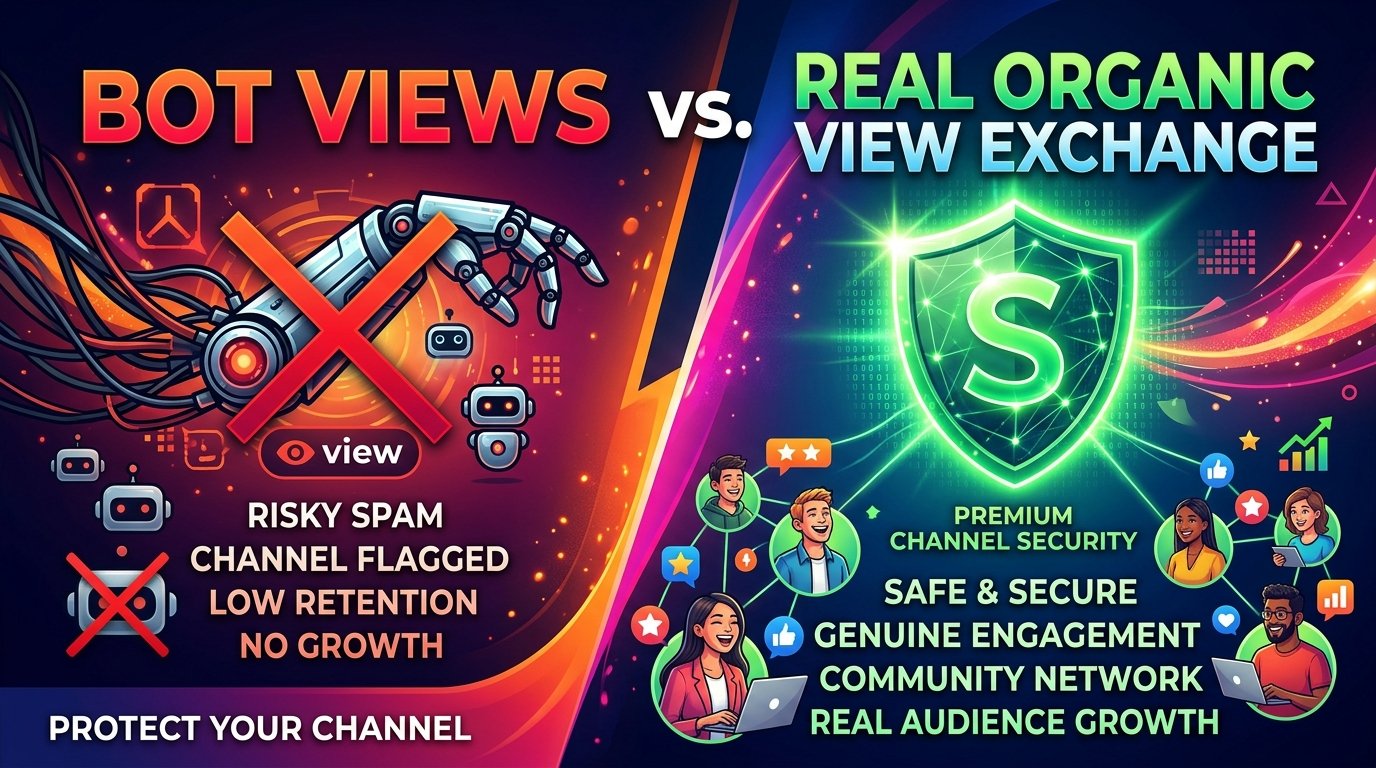
Using Boostify Live, you can send real, high-retention views to your content right upon release. Because views come from real users engaged in a transparent exchange network, YouTube receives positive signals early, triggering the algorithm to recommend your content to relevant niche audiences faster.